
Why a Normal CT Scan Doesn't Mean You Don't Have a Brain Injury

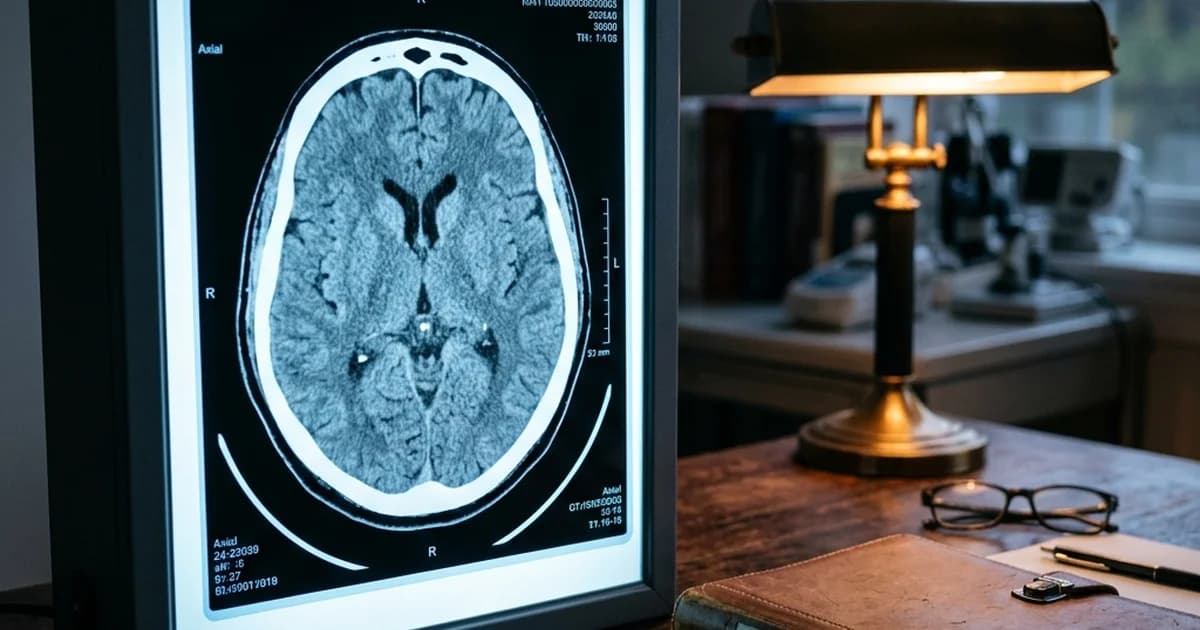
Short answer: No. A normal CT or MRI does not rule out a traumatic brain injury. Standard scans are built to find bleeding and fractures, not the microscopic damage of a mild TBI or concussion, which frequently shows nothing on imaging. A brain injury is diagnosed clinically - from symptoms, cognitive testing, and how you actually function - not from a single scan.
It is one of the most common things I hear from someone who was hurt in a crash: the ER did a CT scan, it came back normal, they were sent home, and now - weeks later - they cannot concentrate, the headaches will not stop, and they are not themselves. And they have been told, in effect, that because the scan was clean, nothing is wrong.
That is not what a clean scan means, and understanding the difference is often the whole case.
The scan came back normal. That is not the same as no injury.
A standard CT is very good at what it is for in the ER: finding bleeding, swelling, and skull fractures - the things that can kill you tonight. It is not built to detect the injury most concussions actually are. A mild traumatic brain injury is damage at the level of individual nerve fibers, and on a standard CT or MRI it frequently shows nothing at all.
So a normal scan rules out a brain bleed. It does not rule out a brain injury. Those are different questions, and insurers count on people not knowing that.
How a brain injury is actually diagnosed
Not from one picture. A TBI is diagnosed clinically - from the pattern of symptoms, from how you function, and from testing built to measure it.
The symptoms are the evidence: persistent headaches, memory and concentration problems, trouble finding words, sensitivity to light and noise, sleep disruption, irritability, and mood changes that were not there before. Neuropsychological testing can measure cognitive deficits a scan cannot see, and specialized imaging is sometimes used, but the backbone of the diagnosis is the documented record of how the injury actually affects you.
That record is built by your treating doctors over time. Which is exactly why what you do in the first weeks matters so much.
Why insurers love a clean scan
Because it lets them argue there is nothing there. "Normal CT" becomes the whole defense: no objective injury, so no real claim. It is effective precisely because it sounds objective.
Virginia makes this worse. Under our contributory negligence rule, an insurer that can chip away at any part of your case has real leverage - I explain why in the contributory negligence post. A brain injury they can paint as "subjective" is a target. The answer is not to argue with the scan; it is to build the clinical record that shows what the scan was never going to show.
What to do to protect a brain-injury claim
Get evaluated even if you feel okay at first. Brain-injury symptoms are often delayed and can surface days after the crash, once adrenaline fades and you return to work or screens.
Tell every provider about every symptom, each time - not just the worst one. Gaps and inconsistencies in the record are what get used against you. A short daily note on how you are functioning, and on the bad days, gives your doctors and your case something concrete to work from.
Bring in the people around you. With a brain injury, the person injured is often the last to notice the change - a spouse, a parent, a coworker will see the memory lapses and the shortened fuse first. Their observations are real evidence. And follow through on every referral: neurology, neuropsychology, therapy. A missed appointment reads, unfairly, as "must be fine."
Deadlines - and an exception that matters for serious brain injuries
Virginia's deadline to file a personal injury claim is two years from the injury, under Va. Code § 8.01-243. For most brain-injury claims, that is the clock.
There is an exception that matters here more than in almost any other kind of case. If the injury leaves the person legally incapacitated, Va. Code § 8.01-229 can suspend the limitations period until the disability is removed. A severe TBI is one of the situations that provision exists for. It is fact-specific and not something to rely on without advice - but for a catastrophic brain injury, it can be decisive.
If you or someone in your family is dealing with a head injury after a crash, talk to a Virginia Beach brain injury attorney before you accept an insurer's "the scan was normal." The record that proves a brain injury is built early, and it is hard to rebuild later.

Scott is a Virginia Beach personal injury attorney with 20+ years representing accident victims across Hampton Roads. He handles every case personally, on a no-win, no-fee basis.
This article is general information about Virginia law, not legal advice, and does not create an attorney-client relationship. Deadlines and exceptions depend on your specific facts, consult a licensed attorney about your situation.
Related: Virginia Beach Brain Injury Attorney