
Short answer: Virginia has no strict-liability dog bite statute. It is one of a minority of states that still follow the common-law "one bite" rule, so the owner is liable only if they knew or should have known the dog was dangerous. Despite the name, the dog does not get one free bite: growling, lunging, or snapping at people can be enough to prove the owner knew. You have two years to file (Va. Code § 8.01-243).
If you were bitten or attacked by a dog in Virginia Beach, you may be entitled to compensation for your medical treatment, scarring, and emotional trauma. I'm Scott Barney, a Hampton Roads personal injury attorney with 20+ years of experience holding negligent dog owners accountable, on a no-win, no-fee basis.
Does Virginia have a dog bite law?
Not the kind most people expect. Most states make a dog's owner automatically responsible when their dog bites someone. That is called strict liability, and Virginia does not have it. There is no Virginia statute that makes an owner pay simply because their dog bit you.
Instead Virginia still follows an old common-law rule courts call scienter, which everyone else calls the one bite rule. The owner is liable if they knew, or should have known, that their dog was dangerous. Your case is not about the bite. It is about what the owner knew before it.
That single difference is why dog bite claims here fail when the same facts would win in Maryland or North Carolina, and it is why these cases are worth having someone build properly rather than reporting to an insurer and hoping.
Does the dog really get one free bite?
No, and this is the most damaging misunderstanding in Virginia dog bite law. The name is terrible. It makes people think an owner is untouchable until their dog has bitten somebody once, so victims of a first bite assume they have no case and never call anyone.
The rule is about knowledge, not bite count. Anything that put the owner on notice can establish it. A dog that growled at the mail carrier, lunged at children through a fence, snapped at a neighbor, or that the owner kept muzzled or behind a "Beware of Dog" sign. None of that is a bite. All of it can be proof the owner knew.
So the question I ask first is never "has this dog bitten before?" It is "what did the neighbors see, and what did animal control already hear about?" That history usually exists. It just has to be found before it goes cold.
What if the owner genuinely did not know?
Then there is a second route, and it is often the stronger one. An owner who had no idea their dog was dangerous can still be liable for ordinary negligence if they were careless with the animal.
The most common version is a leash law. Those are local, and they exist because Va. Code § 3.2-6538 lets a locality prohibit dogs running at large and require that they be confined or restrained. In Virginia Beach there are actually two, which matters more than it sounds. City Code § 5-530 makes it a class 4 misdemeanor to let a dog run at large, and it defines that simply as the dog being off its owner's property without a responsible person holding it. § 5-531 is the leash law proper: on a city park, street, sidewalk or right-of-way a dog must be on a physical leash held by someone able to actually restrain it.
When an owner breaks a safety law like that and the exact harm the law exists to prevent then happens, courts treat the violation itself as proof of carelessness. Lawyers call that negligence per se, and it means I am not arguing about whether letting the dog roam was reasonable. The ordinance already answered that.
Two exceptions in § 5-531 are worth knowing, because they are where these cases turn. The leash law expressly excludes the public beaches. And it does not apply at all south of a line running from Elbow Road down through Salem, Landstown, Princess Anne and Sandbridge Roads, except in areas zoned residential. So a bite on the sand at the Oceanfront, or out past Pungo, is not the same case as a bite on a sidewalk in Kempsville, and anyone telling you otherwise has not read the ordinance. Note § 5-530 still applies in those places, which is often the better argument.
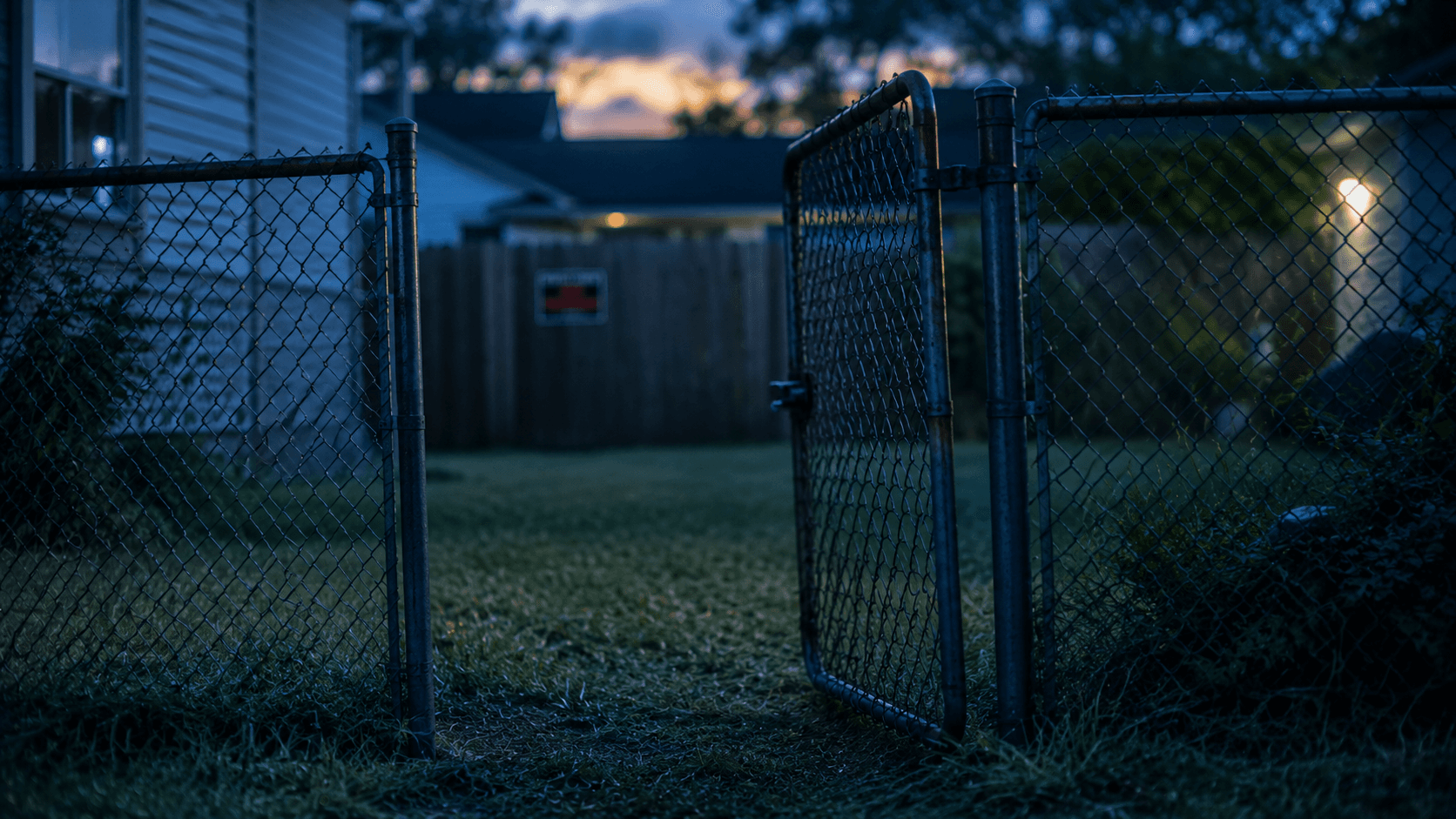
Same with a gate left open, a fence the owner knew was broken, or a dog tied with a line it had slipped before. None of that needs the dog to have a history. It only needs the owner to have been careless.
What is a "dangerous dog" in Virginia?
It is a specific legal finding, not a description. Under Va. Code § 3.2-6540, a court can declare a dog dangerous if it killed or seriously injured a cat or another dog, or if it directly caused serious injury to a person, meaning a laceration, a broken bone, or a substantial puncture from its teeth.
That proceeding is about controlling the dog going forward, not about paying you. It can require registration, a secure enclosure, and muzzling. The statute does let the court order the owner to pay restitution for actual damages, and it says plainly that this does not replace your right to bring your own civil claim.
Where it matters most to your case is proof. A dangerous-dog finding is a court record that the owner knew exactly what their dog was. If one exists, the knowledge argument at the center of a Virginia claim is largely over.
Can the owner blame me for being bitten?
They will try, and Virginia gives them real room to. Va. Code § 3.2-6540 says a dog cannot even be found dangerous if the person hurt was committing a crime or a willful trespass, or was provoking, tormenting, or abusing the animal, or if the dog was responding to pain or protecting itself.
On top of that sits Virginia's contributory negligence rule, the same one that decides most injury claims in this state. If the owner's insurer can convince a jury you were even slightly at fault, you recover nothing at all. Not a reduced amount. Nothing.
So expect the questions. Were you on their property. Did you reach through the fence. Did you run. Did you pet a dog that was eating. They are not asked in good faith, they are asked to find one percent. That is exactly why what you say to an adjuster in the first week matters more than it should.
How long do I have to file?
Two years from the date of the attack, under Va. Code § 8.01-243. If the person bitten was a child, a separate statute applies: Va. Code § 8.01-229 pauses the clock while they are a minor, so it generally starts when they turn 18. That is why an old childhood scar can still be a live claim.
Two years sounds generous. It is not, because this case is built out of things that decay. Animal control complaints, the neighbor who remembers the dog lunging, the vet record, the photo of the gate before it was fixed. Owners rehome dogs. Witnesses move.
The wound photographs matter too, and only in the first days. Scarring is a large part of what these claims are worth, and you cannot go back and photograph what it looked like before it healed.
Who actually pays for a dog bite?
Usually not the owner personally. Most dog bite claims are paid by homeowner's or renter's insurance, and that is worth knowing if the dog belongs to a friend, a neighbor, or a relative. People often stay silent because they do not want to hurt someone they know.
You are generally making a claim against a policy that exists for exactly this, that they have paid for, and that costs them nothing out of pocket. I handle the insurer so you are not the one negotiating with somebody you have to keep living next door to.
Landlords can sometimes be liable too, where they knew a dangerous dog was on the property and had the power to do something about it. That is a premises liability argument, narrower than a claim against the owner, but it matters when the owner has no insurance at all.
What should I do first?
Report the bite to animal control, even if you feel bad about it. That report is the single most useful document in your case. It creates a dated official record of what happened and it often surfaces earlier complaints about the same dog, which is the knowledge evidence Virginia law turns on.
Photograph everything while it is fresh. The wounds each day, the location, the fence, the gate, the leash. Get the owner's name and address, and get names for anyone who saw it. Then get medical care and say yes to the tetanus shot and the antibiotics, because an infected dog bite is both a health problem and a defense argument about whether you made it worse. Where a dog attack has caused a head injury, most often to a child knocked down in the attack, that needs assessing on the day and not a week later.
Then call me at 757-965-7200 before you talk to their insurer. That conversation is free. If you do not have a case, I will tell you.
Cases I Handle
Dog bite cases I handle
How I Help
What I do for you
Identify the responsible party
I determine whether the owner, a landlord, or another party is liable under Virginia law and the dog's bite history.
Document the injury
I work with medical providers to record wounds, scarring, and any need for reconstructive treatment.
Counter owner defenses
Owners often claim provocation or trespass. I gather evidence to rebut those defenses and establish liability.
Pursue full value
I negotiate for fair compensation and take the case to court if the owner or their insurer won't be reasonable.
What You May Recover
Compensation in a Virginia dog bite claim
- Medical bills: emergency care, surgery, and reconstructive treatment
- Scarring, disfigurement, and future cosmetic procedures
- Lost wages and out-of-pocket costs
- Pain, suffering, and emotional trauma
- Counseling costs for lasting psychological impact
Dog Bites FAQ
Questions I hear most
Related Practice Areas
Serving Hampton Roads
Hurt and not sure what to do? Let's talk today.
Free, confidential, and no obligation. You owe me nothing unless I win your case.