
Hit-and-Run in Virginia: How 'John Doe' Uninsured Motorist Claims Work

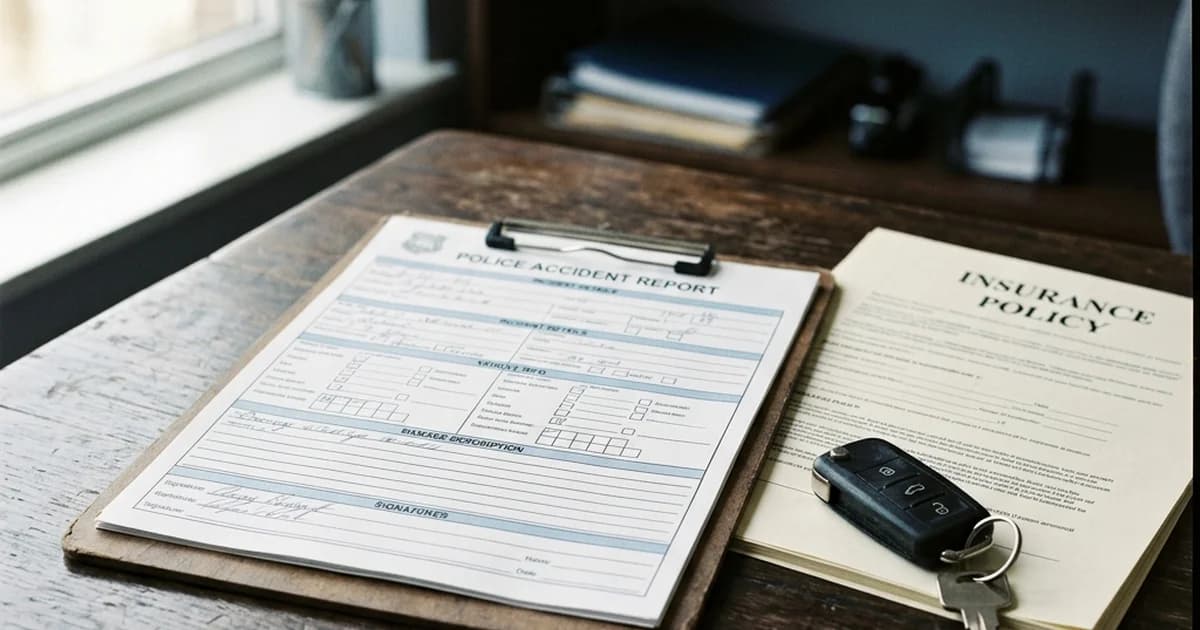
Short answer: Under Va. Code § 38.2-2206, if an unknown driver flees the scene of a crash, you can file an Uninsured Motorist (UM) claim against 'John Doe.' Your own auto insurance policy steps into the shoes of the unknown driver to pay for your medical bills, lost wages, and pain and suffering up to your policy limits. Under Virginia law, making a prompt hit-and-run UM claim does not increase your premium.
A hit-and-run crash leaves victims feeling completely helpless. The negligent driver speeds away, leaving you with injuries, a wrecked car, and medical bills - and no driver to hold accountable.
In Virginia, however, the legal system provides a statutory remedy designed specifically for this situation. You do not need to identify the fleeing driver to recover compensation, provided you follow strict procedural rules.
Suing 'John Doe' Under Va. Code § 38.2-2206
Virginia's Uninsured Motorist statute, Va. Code § 38.2-2206, creates a legal mechanism for hit-and-run victims. If the owner or operator of a vehicle causing injury or property damage is unknown, the injured party can bring a lawsuit naming 'John Doe' as the defendant.
Your own insurance company receives formal legal service of the John Doe warrant or complaint. The insurer then steps in to defend John Doe, but also becomes responsible for paying any settlement or verdict up to your policy's Uninsured Motorist (UM) limits.
Physical Contact Requirements & Police Reports
To bring a valid John Doe claim in Virginia, two rules are critical:
1. Prompt Police Notification: You must report the crash to law enforcement promptly. Fulfilling the police report requirement creates an official public record and prevents insurers from arguing the accident never occurred.
2. Physical Contact or Witness Corroboration: If the hit-and-run involved direct contact (a rear-end hit or sideswipe), physical damage proves the crash. If a 'phantom driver' cut you off causing you to swerve into a barrier without physical contact, Virginia law requires independent witness testimony to corroborate that another vehicle caused the crash.
Will a Hit-and-Run Claim Raise My Rates?
This is the single most common reason people hesitate to file a claim. Under Virginia law, insurance companies are prohibited from raising your premium or imposing a surcharge for an accident in which you were not at fault.
Because you paid premiums for Uninsured Motorist coverage specifically to protect yourself against unknown or uninsured drivers, exercising that coverage is your legal right.
How Much Is a Hit-and-Run 'John Doe' Claim Worth?
There is no single number. The value of a John Doe claim depends on the severity of your injuries, your total medical bills, your lost income, the lasting effect on your daily life, and the Uninsured Motorist limits on your own policy.
That last factor sets the ceiling. A John Doe claim is paid out of your own UM coverage, so it can only pay up to the UM limits you carry. Under Va. Code § 38.2-2206, your insurer must provide UM coverage equal to your liability limits unless you rejected it in writing. That is why the first thing to check after a hit-and-run is the declarations page of your own auto policy.
If your injuries are worth more than your UM limits, recovering beyond that ceiling is difficult when the at-fault driver is never found. It is one more reason to carry higher UM limits than the state minimum.
Finding Every Policy That Applies
The UM coverage on the car you were driving is the starting point, not always the end of it. You may have UM coverage on another vehicle in your household, or on a policy held by a resident family member, that also applies to your injuries.
Virginia also treats uninsured and underinsured coverage differently. A hit-and-run driver who is never identified counts as uninsured, so UM applies. If a fleeing driver is later found and turns out to carry too little insurance, underinsured motorist (UIM) coverage can supplement what their policy pays.
Sorting out which policies apply, and in what order, is detailed work. It is a large part of what an attorney does on these claims, because insurers rarely volunteer coverage you did not ask about.
A Typical Hampton Roads Example
Picture a common situation. You are stopped at a light on Virginia Beach Boulevard when a car rear-ends you and speeds off before you can read the plate. You call 911, an officer documents the crash, and a witness confirms what happened. You feel sore that night and see a doctor two days later for a neck injury.
Because the driver fled and cannot be identified, you file a John Doe claim through your own Uninsured Motorist coverage. Your insurer steps into the absent driver's place, and your medical bills, lost wages, and pain and suffering are evaluated against your UM limits.
This is only an illustration of how the process works. It is not a description of an actual case or a prediction of any result. Every claim turns on its own facts.
What to Do Immediately After a Hit-and-Run in Hampton Roads
1. Remain at the Scene & Call 911: Request law enforcement and emergency medical services immediately.
2. Note Vehicle Details: Write down any detail you remember - make, model, color, partial license plate, or direction of travel.
3. Locate Nearby Cameras & Witnesses: Check if nearby businesses, traffic cameras, or dashcams caught the fleeing vehicle.
4. Notify Your Insurer & Consult an Attorney: Report the hit-and-run to your insurer promptly, but consult a Virginia Beach car accident attorney before signing any settlement releases.

Scott is a Virginia Beach personal injury attorney with 20+ years representing accident victims across Hampton Roads. He handles every case personally, on a no-win, no-fee basis.
This article is general information about Virginia law, not legal advice, and does not create an attorney-client relationship. Deadlines and exceptions depend on your specific facts, consult a licensed attorney about your situation.