
Who is liable for a slip and fall in Virginia?

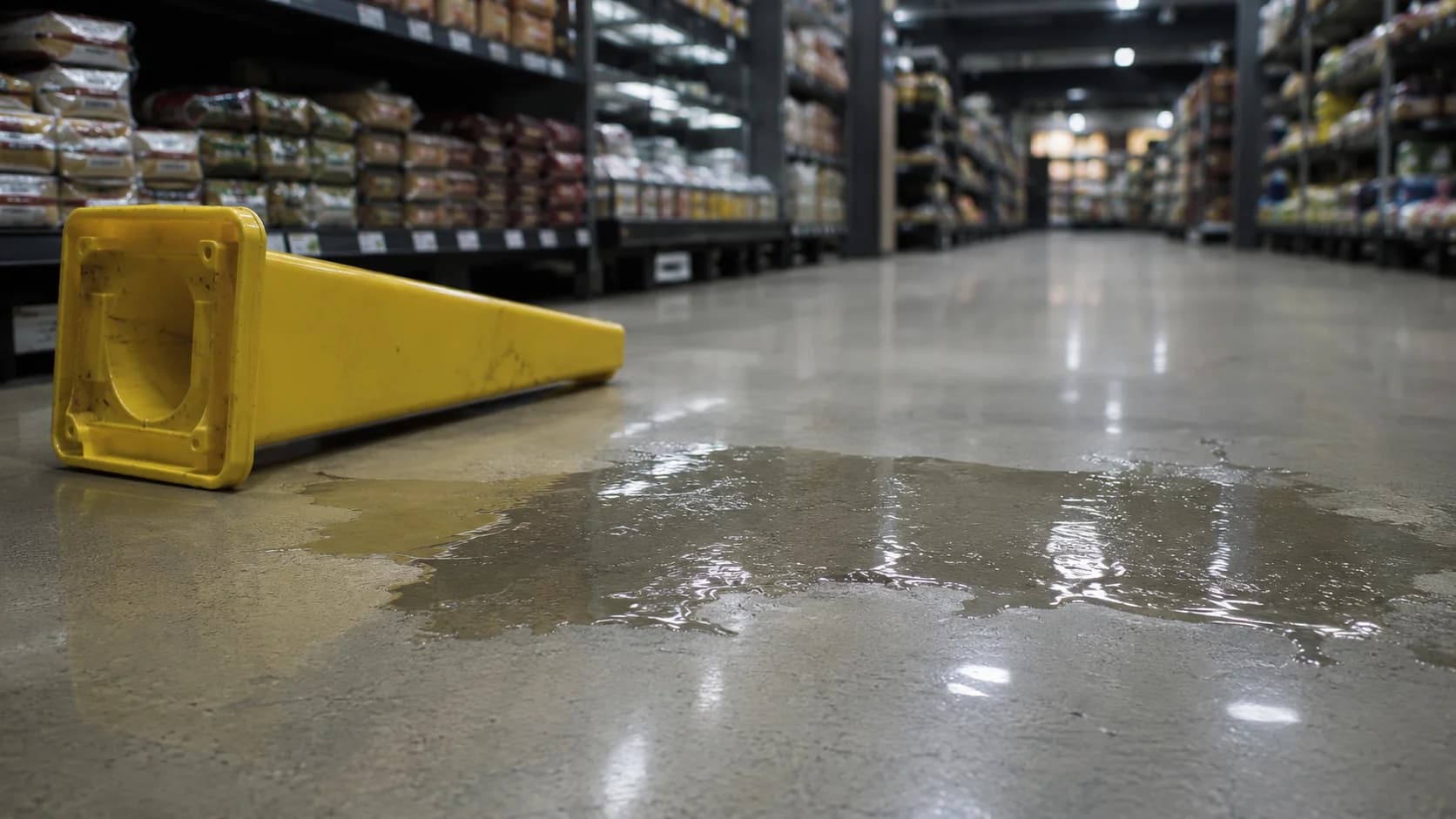
Short answer: A property owner is liable for a slip and fall when they knew, or reasonably should have known, about a dangerous condition and failed to fix it or warn visitors, and that failure caused your fall. The two hardest parts of proving that in Virginia are establishing the owner's notice of the hazard and overcoming the state's contributory negligence rule. Property safety and maintenance requirements follow the Virginia Uniform Statewide Building Code.
A slip and fall claim sounds simple: you fell, the property was unsafe, someone should pay for it. In practice, Virginia law puts real hurdles in front of that claim, and property owners' insurers know exactly where to push. Understanding those hurdles is the difference between a claim that gets paid and one that gets denied.
The property owner's duty depends on why you were there
Virginia law treats visitors differently depending on their status. An invitee, a customer at a store, a guest at a restaurant, is owed the highest duty: the owner must inspect for hazards and either fix or warn about them. A licensee, someone there for their own purposes with permission, is owed a lesser duty. Someone who has no right to be there at all is owed the least. Almost everyone reading this fell as an invitee or a licensee, which means real protection exists, but which category applies affects what the owner was actually required to do.
Proving the owner had notice
This is usually the hardest part of the case. It's not enough that a hazard existed, you generally have to show the owner knew about it, or that it existed long enough that they should have discovered it through reasonable inspection. A spill that's been there for two hours with cart tracks through it tells a different story than one reported thirty seconds earlier. This is exactly why moving fast matters: incident reports, surveillance footage, and the condition of the hazard itself can disappear within days if no one preserves them.
The contributory negligence defense
Virginia is a pure contributory negligence state, one of only a handful left in the country. If the property owner's insurer can show you were even slightly careless, on your phone, not watching where you stepped, ignoring a visible warning sign, they can argue you should recover nothing at all, regardless of how hazardous the property was. This is the single most common defense raised in these cases, and it's why an early, thorough investigation into exactly what happened matters as much as proving the hazard existed.
Common places these falls happen
Grocery and retail stores, apartment common areas, icy or unsalted walkways, broken stairs and loose railings, uneven pavement, and poorly lit parking areas account for most of the claims I see. The setting doesn't change the legal analysis, but it does change what evidence is available and how quickly it needs to be gathered.
What this means for your claim
If you were hurt in a fall on someone else's property, the property owner or their insurer is not a neutral party evaluating what's fair, they're evaluating how to limit their own exposure, and Virginia's contributory negligence rule gives them a powerful tool to do it. Getting a second, independent look at what happened, before you say anything that could be used to argue fault, is worth the free consultation it costs.

Scott is a Virginia Beach personal injury attorney with 20+ years representing accident victims across Hampton Roads. He handles every case personally, on a no-win, no-fee basis.
This article is general information about Virginia law, not legal advice, and does not create an attorney-client relationship. Deadlines and exceptions depend on your specific facts, consult a licensed attorney about your situation.
Related: Virginia Beach Slip & Fall Attorney